
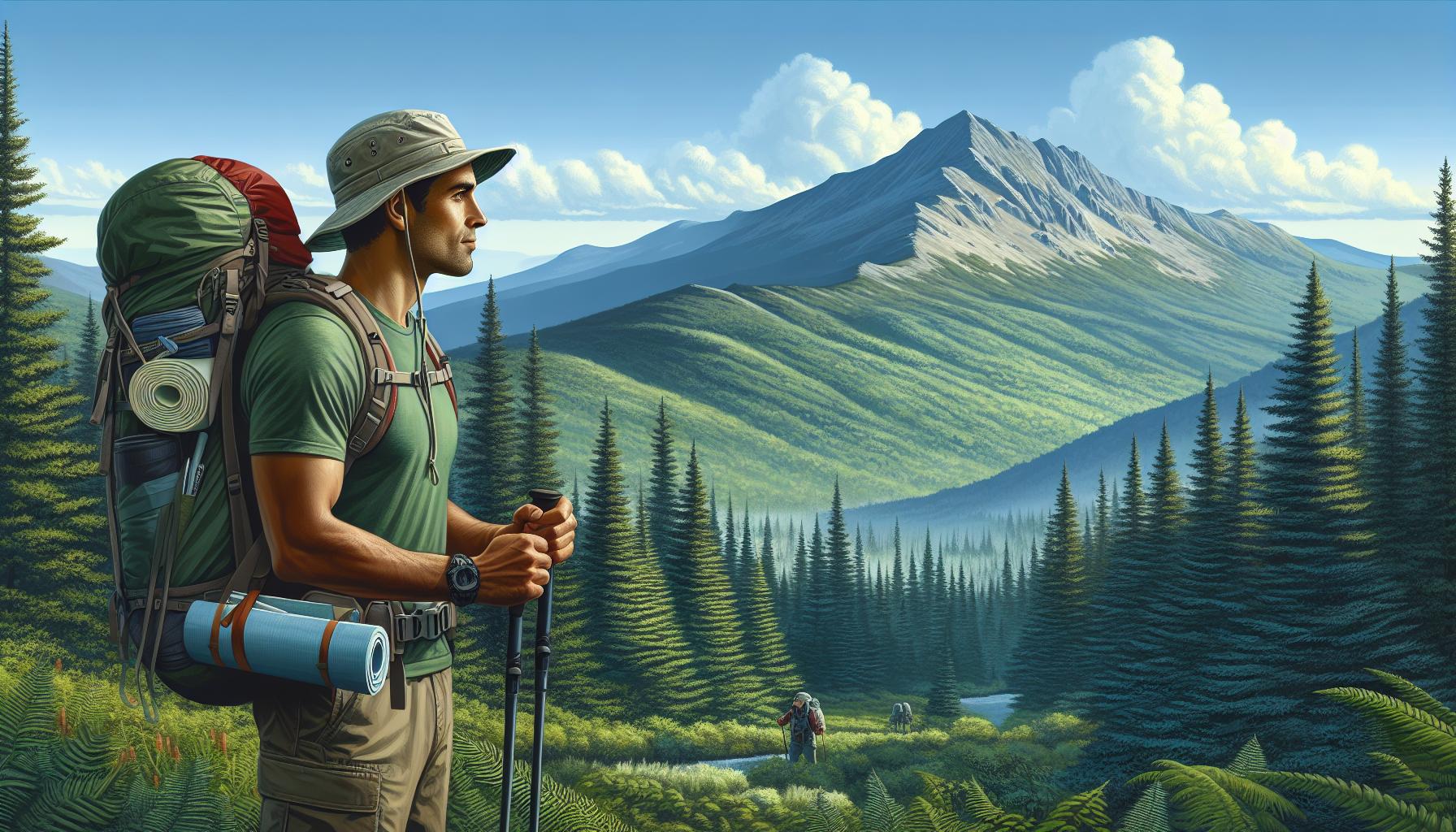
Nestled in the heart of Vermont, the Green Mountain National Forest offers a captivating escape into nature’s splendor. Whether you’re an avid hiker, a wildlife enthusiast, or simply seeking tranquility, this lush forest promises an unforgettable experience.
As you explore its sprawling trails and serene landscapes, you’ll uncover hidden waterfalls, vibrant foliage, and diverse wildlife. The Green Mountain National Forest isn’t just a destination; it’s a journey into the breathtaking beauty of New England’s wilderness. Get ready to immerse yourself in the natural wonders that await you.
Exploring the Green Mountain National Forest
Sights and Scenery
Green Mountain National Forest offers diverse and stunning sights. You can find hidden waterfalls, like Moss Glen Falls, which provide perfect photo opportunities. The forest’s scenic vistas, such as those from Mount Abraham, offer breathtaking views of Vermont’s landscape. The Long Trail and Appalachian Trail cross here, making these paths ideal for hiking enthusiasts. During the fall, the foliage transforms into vibrant hues of red, orange, and yellow, attracting photographers and sightseers worldwide.
Flora and Fauna
The flora and fauna in the Green Mountain National Forest are diverse. You’ll encounter a rich variety of trees, including sugar maples and American beech. The forest’s understory hosts ferns, wildflowers, and shrubs, creating a lush environment for exploration. Fauna includes white-tailed deer, black bears, and moose. Bird watchers can spot species like the peregrine falcon and the wood thrush. The forest provides a critical habitat for these animals, ensuring their conservation and offering you a chance to observe them in their natural surroundings.
Best Trails and Hikes
Beginner Trails
For a gentle introduction to the Green Mountain National Forest, the Robert Frost Interpretive Trail offers a 1.2-mile loop through diverse landscapes including fields and forests. This easy trail features poems by Frost, enhancing your nature walk with literature (Forest Service).
The Thundering Brook Falls Trail is another excellent choice, providing a 0.4-mile boardwalk leading to Vermont’s sixth-largest waterfall. The trail is accessible and ideal for families or those seeking a brief excursion amidst nature (AllTrails).
Moss Glen Falls Trail extends 0.7 miles with a slight elevation change, guiding you through lush forest to the mesmerizing Moss Glen Falls. This short hike provides an easy opportunity to witness one of the forest’s hidden jewels (Hiking Project).
Advanced Trails
For seasoned hikers, the Long Trail offers extensive challenges. Spanning 272 miles from Massachusetts to Canada, this trail provides rugged terrain and rewarding vistas. Notable sections in the Green Mountain National Forest include the climb up Mount Abraham, which rewards with panoramic views at the summit.
Appalachian Trail intersects the forest, showcasing challenging segments like the ascent to Mount Killington’s peak. This strenuous trail provides expansive views of Vermont’s landscape, ideal for those seeking a demanding hike.
Experienced hikers will appreciate the Sterling Pond Trail, a 2.3-mile trek ascending steeply to Vermont’s highest trout pond. The journey entails rocky paths and rewarding views, ideal for those craving both challenge and beauty.
For Your Safety
Before embarking on trails, check weather conditions and carry essential safety gear. Always inform someone of your hiking plans, ensuring a safe and enjoyable experience in the Green Mountain National Forest.
| Source | Trail Information |
|---|---|
| Forest Service | Robert Frost Interpretive Trail |
| AllTrails | Thundering Brook Falls Trail |
| Hiking Project | Moss Glen Falls Trail |
| Local Reviews | Long Trail, Appalachian Trail, Sterling Pond Trail |
Seasonal Highlights
Spring and Summer
Spring and summer in the Green Mountain National Forest offer vibrant floral displays and lush greenery. During spring, wildflowers like trillium and painted trillium bloom along trails such as the Robert Frost Interpretive Trail. Birdwatchers flock to the forest to spot migratory species such as warblers, thrushes, and vireos. Trails are more accessible, providing ideal conditions for hiking and mountain biking.
In summer, the forest provides excellent opportunities for swimming and fishing in pristine lakes and rivers. Moss Glen Falls becomes a popular spot for cooling off, while Mount Abraham offers breathtaking views. Seasonal activities, like guided nature walks and educational programs, enhance your exploration of this natural haven.
Fall and Winter
Fall transforms the Green Mountain National Forest into a kaleidoscope of colors. From late September to October, the forest’s foliage displays vivid hues of red, orange, and yellow. Scenic drives along Route 100 offer unparalleled views of autumn leaves. The Long Trail and the Appalachian Trail present ideal conditions for leaf-peeping hikes, attracting photographers and nature lovers.
Winter brings a snowy wonderland, perfect for snowshoeing and cross-country skiing. Trails like the Catamount Trail offer extensive routes for these activities. The forest’s diverse terrain supports snowmobiling, making it a winter adventure hotspot. During this season, ensure you have appropriate gear and follow safety guidelines to enjoy the serene, snowy landscape.
Camping and Accommodations
Discover various camping and accommodation options in the Green Mountain National Forest to enhance your outdoor experience. The forest offers numerous campgrounds, backcountry sites, and nearby lodging options, catering to different preferences and comfort levels.
Campgrounds
Find well-maintained campgrounds throughout the forest. Popular options include Hapgood Pond Campground and Chittenden Brook Campground. These sites provide basic amenities like fire pits, picnic tables, and restrooms. You can make reservations through the National Recreation Reservation Service to secure your spot.
Backcountry Camping
For a more rugged experience, explore backcountry camping. Follow Leave No Trace principles and camp at least 200 feet from trails and water sources. Popular backcountry areas include the Breadloaf Wilderness and Peru Peak Shelter along the Long Trail.
Lodging Options
If you prefer more comfort, consider nearby lodging. Towns like Rutland, Manchester, and Middlebury offer a variety of accommodations. From quaint bed and breakfasts to cozy inns, you’ll find options to suit your needs. Searching for “CS Property Management Vermont” may help you locate well-managed properties in the area.
RV Camping
The forest also caters to RV campers with sites like the Greendale Campground in the Kelley Stand Road area. These campgrounds offer electric hookups, dump stations, and potable water.
Cabins and Cottages
For those who enjoy rustic charm, several cabins and cottages are located near the forest. These accommodations often include basic amenities and close proximity to hiking trails and scenic spots. Many provide a perfect blend of comfort and wilderness.
Accessibility
Ensure accessibility for all visitors. Campgrounds like Hapgood Pond Campground offer accessible sites and facilities, making it easier for everyone to enjoy the natural beauty of Green Mountain National Forest. Always check accessibility details when making reservations.
Seasonal Considerations
Plan your stay according to the season. Summer and fall are peak times for camping, with warm weather and vibrant foliage. Winter and spring offer quieter experiences, though certain areas may be less accessible due to snow or mud. Always check current conditions and availability before you go.
Enjoy the variety of camping and accommodation options in the Green Mountain National Forest to make your visit memorable and comfortable, whether you’re an experienced camper or prefer modern amenities.
Wildlife and Conservation Efforts
The Green Mountain National Forest boasts a diverse array of wildlife. You might spot white-tailed deer, moose, black bears, and an assortment of bird species, including the northern goshawk and peregrine falcon. These sightings make your visit exciting and memorable.
Conservation efforts in the forest are crucial. The U.S. Forest Service works tirelessly to protect habitats, ensuring species thrive. Initiatives focus on controlling invasive species, preserving old-growth forests, and maintaining clean waterways. They collaborate with local organizations to enhance biodiversity.
A vital aspect of conservation is the monitoring of wildlife populations. Researchers track animal movements, study habitats, and analyze the impact of human activity. This data helps shape policies and practices that safeguard the forest’s ecological balance.
Sustainable practices are encouraged among visitors. You should follow Leave No Trace principles, stick to established trails, and avoid disturbing wildlife. These actions minimize your impact on the environment and contribute to conservation efforts.
Educational programs offered by forest rangers provide insights into the area’s ecosystem. Participating in guided tours or attending workshops enhances your understanding of the forest’s flora and fauna and the importance of preserving this natural treasure.
Volunteer opportunities also play an important role. Collaborating with conservation projects, such as tree planting or habitat restoration, allows you to contribute directly to the health of the Green Mountain National Forest. These initiatives demonstrate the collective effort needed to maintain the forest’s beauty.
While enjoying the natural splendor of the Green Mountain National Forest, consider supporting local groups focused on environmental protection. In Vermont, organizations like CS Property Management occasionally partner with conservation programs, showcasing a community-wide commitment to preserving the forest.
By respecting wildlife and participating in conservation efforts, you help ensure the Green Mountain National Forest remains a pristine haven for generations to come.
Key Takeaways
- Unforgettable Natural Beauty: The Green Mountain National Forest in Vermont offers stunning sights such as hidden waterfalls, vibrant fall foliage, and panoramic vistas from peaks like Mount Abraham, making it a prime destination for nature lovers.
- Diverse Flora and Fauna: The forest is home to a wide range of trees, plants, and wildlife, providing habitat to species such as white-tailed deer, black bears, and moose. Birdwatchers can spot species like the peregrine falcon.
- Varied Hiking Trails: Whether you are a beginner or an experienced hiker, the forest offers trails for all skill levels, from the easy Robert Frost Interpretive Trail to the challenging Long Trail that spans 272 miles.
- Seasonal Activities: Each season offers unique opportunities, such as vibrant wildflower displays in spring, swimming and fishing in summer, stunning foliage in fall, and snowshoeing or cross-country skiing in winter.
- Accommodation Options: Visitors can choose from a variety of accommodations including well-maintained campgrounds, backcountry camping, RV sites, and nearby lodging in charming towns, catering to different preferences and comfort levels.
- Commitment to Conservation: Active conservation efforts by the U.S. Forest Service and local organizations help protect the forest’s biodiversity, while educational programs and volunteer opportunities encourage sustainable practices among visitors.
Conclusion
Exploring the Green Mountain National Forest offers an unforgettable experience for any nature lover. From breathtaking landscapes to diverse wildlife sightings, there’s something for everyone. Remember to practice sustainable habits during your visit to help preserve this natural treasure. By supporting local conservation efforts and engaging in volunteer opportunities, you contribute to the ongoing protection of this pristine environment. Embrace the beauty and tranquility of the Green Mountain National Forest and help ensure it remains a sanctuary for generations to come.
Frequently Asked Questions
What are the main attractions in Green Mountain National Forest?
Green Mountain National Forest offers attractions like Moss Glen Falls and Mount Abraham. These sites provide beautiful views and excellent opportunities for hiking, photography, and nature observation.
What wildlife can I expect to see in Green Mountain National Forest?
Visitors often see white-tailed deer, moose, black bears, and various bird species in Green Mountain National Forest. The area is rich in biodiversity, making wildlife spotting a frequent experience.
Which are the best trails for hiking in the forest?
Some of the best trails include the Long Trail, which runs the length of Vermont, and the challenging ascent to Mount Abraham. Other popular trails are easily accessible and offer stunning scenery.
When is the best time to visit Green Mountain National Forest?
Spring to fall is the best time to visit due to pleasant weather and vibrant foliage. Winter offers activities like snowshoeing and cross-country skiing but can be very cold.
How does the U.S. Forest Service contribute to conservation in the forest?
The U.S. Forest Service monitors wildlife populations, promotes sustainable practices among visitors, and runs educational programs to protect habitats and enhance biodiversity in the forest.
Are there volunteer opportunities for conservation efforts in the forest?
Yes, there are numerous volunteer opportunities. You can participate in conservation projects and help with wildlife monitoring, trail maintenance, and educational programs.
How can visitors support local conservation efforts?
Visitors can support conservation efforts by following sustainable practices, participating in volunteer programs, and supporting local environmental groups such as CS Property Management in Vermont.
What educational programs are available in Green Mountain National Forest?
Forest rangers offer various educational programs focusing on wildlife, ecology, and conservation. These programs are designed for both children and adults and aim to enhance understanding and appreciation of the natural environment.