
Nestled in the heart of Vermont, the Woodstock History Center offers a captivating glimpse into the past. As you walk through its doors, you’re transported to a time when the town was a bustling hub of activity and culture. The center’s rich collection of artifacts, photographs, and exhibits tells the story of Woodstock’s evolution, from its early settlement days to its present charm.
Visiting the Woodstock History Center isn’t just about viewing historical items; it’s about experiencing the essence of a community that has thrived for centuries. You’ll find yourself immersed in tales of local legends, architectural marvels, and the everyday lives of those who called Woodstock home. Whether you’re a history buff or just curious, the center promises an engaging and educational journey through time.
Exploring the Woodstock History Center: A Historical Overview
The Origins of Woodstock History Center
The Woodstock History Center began as a modest initiative to preserve local heritage. Founded in the mid-20th century, the center strives to protect and showcase Woodstock’s history. The Old Vermont State Bank building, dating back to 1818, now hosts the center, offering multiple exhibits on the town’s rich past. Collections feature items like period clothing, antique furniture, and early Vermont maps. Through engaging storytelling, the center reveals the journey from Woodstock’s settlement days to its modern charm.
Key Milestones and Exhibitions
Key milestones define the Woodstock History Center’s growth. In the 1970s, major restoration projects revitalized historic structures, preserving the architectural integrity of the town. Notable exhibitions include “Woodstock’s Revolutionary War: Local Heroes and Legends” and “Everyday Life in the 1800s.” Both present detailed displays of significant events and daily activities of Woodstock residents. Visitors also explore specialized functions, such as textile production and agricultural practices, which shaped the community. By examining these milestones and exhibitions, you gain a comprehensive understanding of Woodstock’s evolution.
Architectural Highlights of the Center
Unique Architectural Features
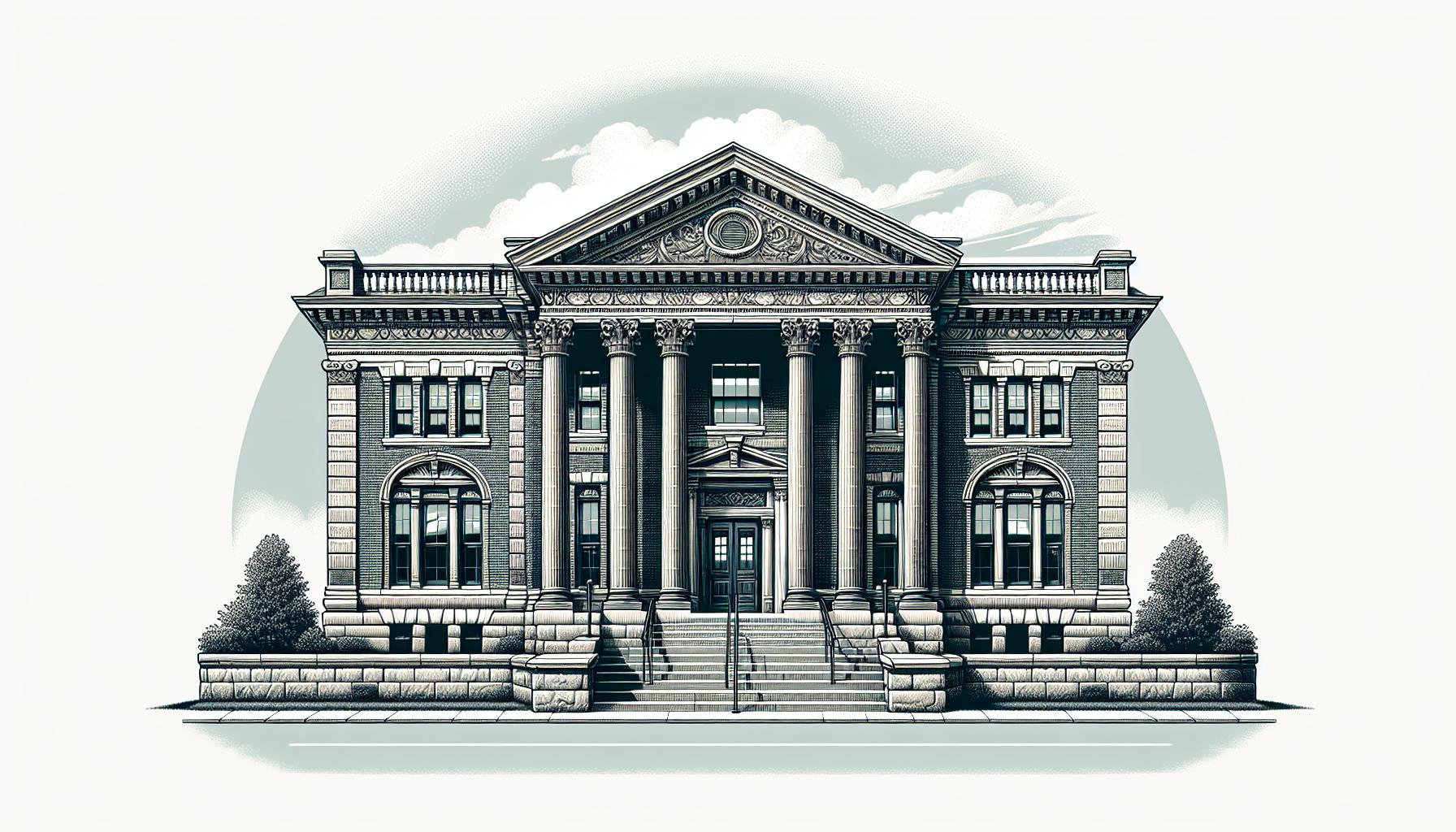
The Woodstock History Center boasts a range of unique architectural features. The building, constructed in 1818 as the Old Vermont State Bank, retains its original Federal-style architecture. Notable elements include symmetrical designs, elegant brickwork, and classic window frames. The front façade showcases a prominent wooden portico with intricate detailing.
Inside, you’ll find period-specific attributes like wide plank floors, grand fireplaces, and ornate woodwork. These features help transport visitors back to early 19th-century Vermont, offering a seamless blend of historical authenticity and modern-day preservation.
Conservation Efforts and Future Plans
The center has undertaken extensive conservation efforts to preserve its historical integrity. During the major restoration in the 1970s, careful attention was given to maintaining the building’s original elements while ensuring structural safety. This included restoring brickwork, stabilizing the foundation, and refurbishing wooden interiors.
Looking ahead, the Woodstock History Center continues prioritizing conservation. Upcoming plans involve enhancing accessibility with updated ramps and walkways and incorporating advanced climate control systems to protect artifacts. These initiatives aim to balance historical preservation with visitor comfort, ensuring the center remains a vibrant part of Vermont’s cultural landscape.
Notable Collections and Artifacts
Permanent Collections and Their Significance
The Woodstock History Center houses a broad range of permanent collections that provide a deep dive into Vermont’s rich history. You’ll find artifacts from various periods that paint a vivid picture of life in early Vermont. Highlights include period-specific clothing, which offer insights into the fashion trends and social norms of the time. The early Vermont maps collection showcases the development of the state, illustrating changes in boundaries, settlements, and roadways. Antique furniture, carefully preserved and displayed, offers a glimpse into the domestic life of 19th-century Vermont residents. Such collections not only preserve historical artifacts but also help you understand the evolution of the community and its cultural heritage.
Featured Exhibits and Seasonal Displays
The center also generates interest through its featured exhibits and seasonal displays. These curated exhibits change regularly, ensuring that there’s always something new for you to explore. Past exhibits have included themes such as “Civil War Era in Vermont,” which showcased uniforms, letters, and photographs from local soldiers, offering a poignant look at this tumultuous period. Seasonal displays often align with important dates in Vermont’s history or broader cultural events. For instance, winter exhibits might focus on traditional holiday celebrations, featuring artifacts like vintage decorations and period-appropriate winter attire. These exhibits and displays highlight different facets of Vermont’s past, making each visit to the Woodstock History Center a unique educational experience.
By taking advantage of well-preserved permanent collections and thoughtfully curated seasonal exhibits, the Woodstock History Center provides a comprehensive and engaging exploration of Vermont’s historical narrative, offering visitors an educational journey through the state’s cultural and historical landscapes.
Educational Programs and Community Engagement
Workshops and Lectures
The Woodstock History Center offers a variety of educational workshops and lectures aimed at enriching your understanding of Vermont’s rich history. Expert historians lead these sessions, providing in-depth insights into specific periods and notable events. For instance, you can attend workshops on early 19th-century textile production or lectures on the impact of the Civil War on Vermont. These programs not only provide historical knowledge but also practical skills in traditional crafts and trades.
Community Outreach Initiatives
Community outreach is a core component of the Woodstock History Center’s mission. The center partners with local schools and organizations to bring history alive for students and residents. Through programs like “History in the Classroom,” historians visit local schools to offer interactive sessions on Woodstock’s past. Additionally, the center organizes seasonal community events, such as historical reenactments and traditional holiday celebrations, to foster a deeper connection between the residents and Vermont’s cultural heritage. These initiatives ensure that the center remains a vibrant and integral part of the community, continuously engaging residents and fostering an appreciation for local history.
Visiting the Woodstock History Center
Planning Your Visit
To make your visit to the Woodstock History Center memorable, start with a plan. The center is located at 26 Elm Street, Woodstock, Vermont. It’s open from May to October, Tuesday through Saturday from 10 AM to 4 PM. Admission fees are reasonable, with discounts for seniors, students, and children. Check the official website for the latest updates and any changes to hours of operation.
Events and Activities Schedule
The Woodstock History Center hosts various events and activities throughout the year. These include special exhibits, workshops, and lectures. Highlights include historical reenactments, traditional holiday celebrations, and educational workshops led by expert historians. For the latest schedule, visit the center’s website or contact the front desk at (802) 457-1822.
Key Takeaways
- Rich Historical Insight: The Woodstock History Center immerses visitors in the rich history of Woodstock, Vermont, showcasing its evolution from early settlement days to modern times through a diverse collection of artifacts, photographs, and exhibits.
- Architectural Charm: Housed in the historically significant Old Vermont State Bank building from 1818, the center features unique Federal-style architecture, including symmetrical designs, elegant brickwork, and period-specific interior attributes.
- Engaging Exhibits: The center offers a range of notable permanent collections and changing seasonal displays, providing insights into local history, fashion, and daily life from different periods in Vermont’s past.
- Educational Programs: With a variety of workshops, lectures, and community outreach initiatives, the Woodstock History Center effectively brings history to life for visitors and local residents, enriching their understanding of Vermont’s cultural heritage.
- Visitor Information: Conveniently located at 26 Elm Street, Woodstock, Vermont, the center is open from May to October, offering a range of events and activities, including historical reenactments and expert-led workshops, ensuring a dynamic and enriching visitor experience.
Conclusion
Exploring the Woodstock History Center offers a unique glimpse into Vermont’s rich past. Whether you’re fascinated by early 19th-century architecture or eager to learn about historical events through engaging exhibits and workshops, the center provides a comprehensive and enriching experience. The ongoing conservation efforts and community outreach programs ensure that the center remains a vital part of Woodstock’s cultural fabric. Plan your visit to immerse yourself in the history and heritage that the Woodstock History Center proudly preserves and shares.
Frequently Asked Questions
What is the Woodstock History Center?
The Woodstock History Center is a museum in Vermont that showcases the town’s history through exhibits of period clothing, antique furniture, and early Vermont maps.
Where is the Woodstock History Center located?
The Woodstock History Center is located at 26 Elm Street, Woodstock, Vermont.
What are the operating hours of the Woodstock History Center?
The center is open from May to October, Tuesday through Saturday, from 10 AM to 4 PM.
What types of exhibits can visitors expect to see?
Visitors can explore exhibits featuring period clothing, antique furniture, early Vermont maps, and other artifacts that showcase the evolution of the town.
Are there any special programs offered at the center?
Yes, the center offers educational workshops, lectures led by expert historians, historical reenactments, and traditional holiday celebrations.
How were the original elements of the building preserved?
Major restoration efforts in the 1970s preserved the building’s original elements while ensuring structural safety.
Is there a discount on admission fees?
Yes, there are discounts for seniors, students, and children.
Who can I contact for more information?
For more information, visitors can check the center’s website or contact the front desk at (802) 457-1822.
Does the center collaborate with local schools?
Yes, the center partners with local schools and organizations for community outreach programs like “History in the Classroom.”
Are there any plans for future improvements?
Future plans include enhanced accessibility and climate control systems to preserve the building and exhibits.