
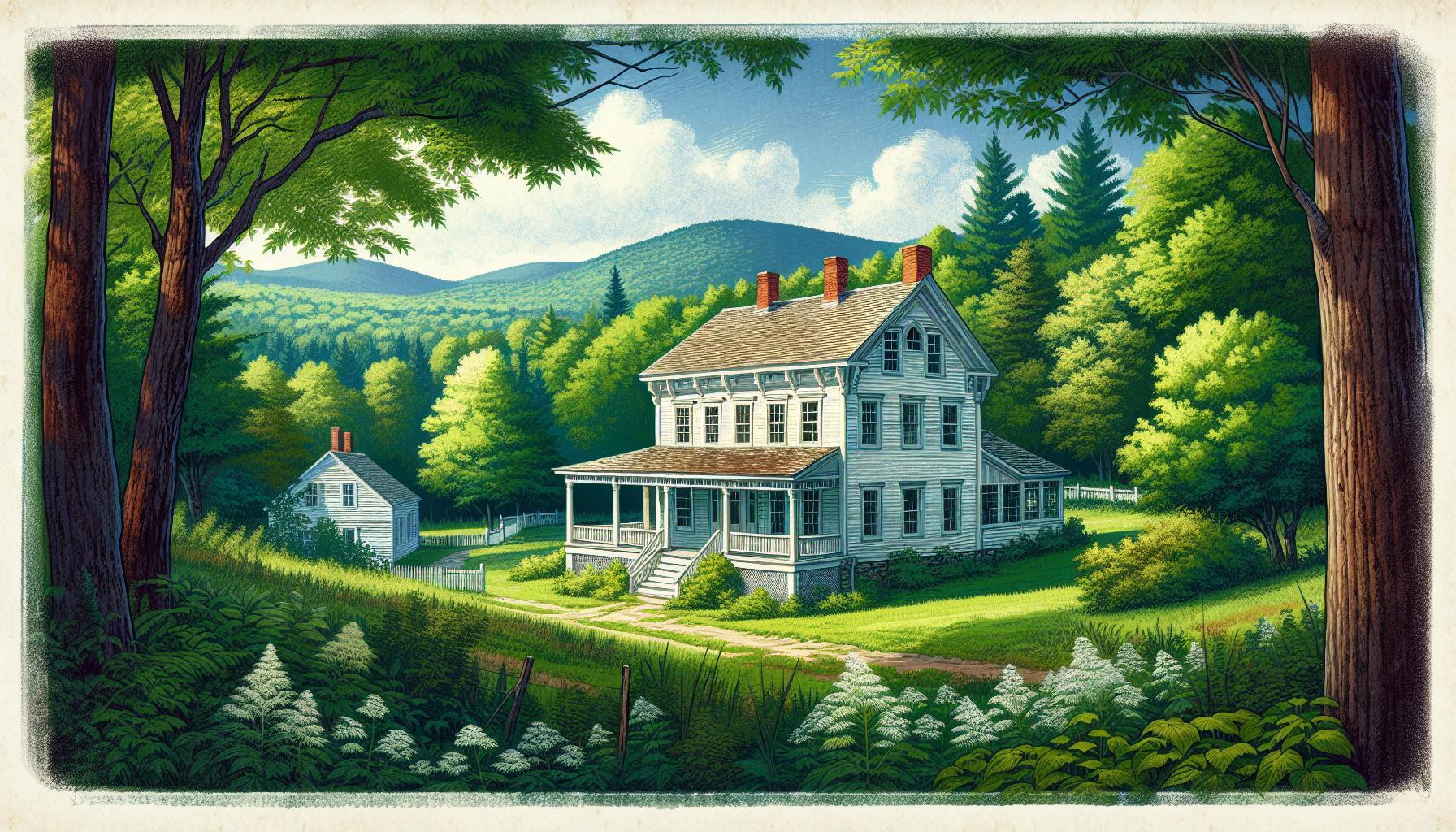
Vermont isn’t just known for its stunning natural landscapes and vibrant fall foliage; it’s also a treasure trove of American history. Whether you’re a history buff or just looking for a unique travel experience, Vermont offers a variety of historical sites that tell the story of its rich past. From Revolutionary War landmarks to charming 19th-century villages, there’s something here to captivate every visitor.
Exploring Vermont’s historical sites is like stepping back in time. You’ll find well-preserved buildings, fascinating museums, and even battlefield sites that offer a glimpse into the state’s role in shaping the nation. So pack your bags and get ready to discover the hidden gems that make Vermont a must-visit destination for history enthusiasts.
Exploring Vermont’s Rich History Through Its Sites
The Significance of Preserving Historical Landmarks
Preserving historical landmarks in Vermont helps you connect with the state’s vibrant past. These sites, which include Revolutionary War monuments and 19th-century villages, offer tangible links to important events and lifestyles. They provide educational opportunities, allowing you to learn about Vermont’s role in American history. Furthermore, maintaining these landmarks supports local tourism and boosts community pride by cherishing the state’s unique stories.
Vermont’s Unique Heritage
Vermont’s unique heritage reflects its diverse cultural history and significant contributions to the nation’s development. Sites like the Ethan Allen Homestead and Hildene, the Lincoln Family Home, give you a glimpse into the lives of influential figures. Villages such as Woodstock present well-preserved 19th-century architecture that showcases rural life. By visiting these locations, you experience a blend of historical narratives that highlight Vermont’s role in shaping broader American history.
Must-Visit Historical Sites in Vermont
The Shelburne Museum
The Shelburne Museum, located in Shelburne, encompasses 45 acres of exhibits. This museum features over 150,000 items, showcasing artifacts like quilts, carriages, and fine art. Notable buildings on the property include the Round Barn and the Pizzagalli Center for Art and Education. The Shelburne Museum also offers educational programs, making it an enriching experience for visitors of all ages.
Fort Dummer State Park
Fort Dummer State Park, established in 1724, is Vermont’s first permanent European settlement. Located in Brattleboro, the site was initially a protective fort during conflicts between settlers and Native American tribes. Today, the park offers hiking, picnicking, and camping opportunities, allowing visitors to explore the area’s natural beauty while connecting with its historical significance.
The Calvin Coolidge Homestead
The Calvin Coolidge Homestead in Plymouth Notch is the birthplace and childhood home of the 30th U.S. President. This well-preserved site includes the original homestead, the Coolidge family farm, and a visitor center with exhibits on Coolidge’s life and presidency. Visitors can tour the grounds, where President Coolidge took the oath of office, and learn about Rural America in the early 20th century.
Historical Sites Off the Beaten Path
Eureka Schoolhouse and Baltimore Covered Bridge
The Eureka Schoolhouse, built in the 1790s, is one of Vermont’s oldest one-room schoolhouses. You’ll find it in Springfield, providing a glimpse into early American education. The nearby Baltimore Covered Bridge, constructed in 1870, complements the schoolhouse by showcasing 19th-century engineering. Visit these sites to experience a slice of Vermont’s educational and infrastructural history.
Old Constitution House
The Old Constitution House in Windsor marks the birthplace of Vermont’s statehood. Here, the Constitution of the Vermont Republic was drafted in 1777, establishing an independent state. This site offers an engaging look at Vermont’s political beginnings and its break from British rule. Explore the house’s exhibits to gain a deeper understanding of the state’s formative years.
These historical sites off the beaten path offer unique insights into Vermont’s past. They provide a quieter, more intimate experience compared to more frequented landmarks.
Planning Your Visit to Vermont’s Historical Sites
Best Time to Visit
Choosing the ideal time for your visit enhances your experience of Vermont’s historical landmarks. Late spring (May and June) offers mild weather and blooming landscapes, providing a picturesque setting for outdoor sites like Fort Dummer State Park. Summer (July and August) is perfect for family trips, with extended daylight hours allowing more time to explore sites such as the Shelburne Museum. Fall (September and October) attracts visitors with its vibrant foliage, adding a stunning backdrop to historical villages like Woodstock. While winter (December to February) might seem less appealing, it offers a quiet charm; consider visiting indoor sites like the Old Constitution House in Windsor to avoid the cold.
Tips for a Fulfilling Historical Tour
Preparation ensures a fulfilling historical tour in Vermont.
- Research Sites
Investigate each location’s history beforehand. Understanding the significance of places like the Calvin Coolidge Homestead deepens your appreciation during the visit. - Plan Itinerary
Organize your visits to maximize time. Combine nearby sites, such as the Eureka Schoolhouse and Baltimore Covered Bridge, to save on travel. - Check Operating Hours
Confirm times and seasons when sites are open. Some locations may have limited hours or close during the off-season, impacting your plans. - Comfortable Gear
Wear suitable attire for walking and weather conditions. Sites like Fort Dummer State Park involve outdoor activities, necessitating comfortable shoes. - Local Guidance
Engage local resources or tours. Sometimes, local guides or heritage society members provide insights you might miss.
Following these tips makes your historical tour of Vermont more enjoyable and informative, connecting you deeply with the state’s rich heritage.
Key Takeaways
- Diverse Historical Landmarks: Vermont boasts a range of historical sites from Revolutionary War landmarks and 19th-century villages to museums and battlefields that highlight its unique role in American history.
- Significance of Preservation: Preserving sites like the Ethan Allen Homestead and Hildene, the Lincoln Family Home, is crucial for educational purposes, local tourism, and community pride.
- Must-Visit Locations: Key attractions include the Shelburne Museum, Fort Dummer State Park, and the Calvin Coolidge Homestead, each offering a deep dive into various facets of Vermont’s past.
- Hidden Gems: Lesser-known historical sites such as the Eureka Schoolhouse, Baltimore Covered Bridge, and the Old Constitution House provide a more intimate glimpse into Vermont’s early education, engineering, and political history.
- Optimal Visiting Period: Ideal times to visit these historical landmarks are late spring, summer, and fall, with detailed planning and local guidance enhancing the experience.
- Practical Tips: Thorough research, planning itineraries, checking operating hours, wearing suitable attire, and engaging local guides are essential for a fulfilling historical tour in Vermont.
Conclusion
Exploring Vermont’s historical sites offers a unique journey through America’s past. Each landmark tells a story, enriching your understanding of the state’s cultural and historical fabric. Whether you’re visiting renowned museums or hidden gems, Vermont’s heritage is bound to leave a lasting impression.
Plan your trip wisely to maximize your experience, and don’t hesitate to immerse yourself in the local history. With the right preparation, your visit to Vermont’s historical sites will be both educational and unforgettable. So pack your bags and get ready to step back in time.
Frequently Asked Questions
Why is Vermont significant in American history?
Vermont holds a vital place in American history due to its role in the Revolutionary War, early statehood, and rich cultural heritage. Historical landmarks in Vermont provide insights into these periods.
What are the must-visit historical landmarks in Vermont?
Must-visit sites include the Shelburne Museum, Fort Dummer State Park, Calvin Coolidge Homestead, Eureka Schoolhouse, Baltimore Covered Bridge, and the Old Constitution House in Windsor.
What can I learn from visiting Vermont’s historical sites?
Visitors can learn about Vermont’s role in the Revolutionary War, early American education, 19th-century engineering, and the state’s political beginnings. These insights deepen understanding of Vermont’s heritage.
When is the best time to visit Vermont’s historical landmarks?
The best time to visit depends on seasonal preference, but spring, summer, and fall are ideal for enjoying the outdoor sites and pleasant weather.
How can I plan a fulfilling historical tour of Vermont?
For a fulfilling experience, research sites, plan itineraries, check operating hours, wear suitable attire, and engage local guides for detailed insights.
Are there any lesser-known historical sites worth visiting in Vermont?
Yes, the Eureka Schoolhouse and Baltimore Covered Bridge are notable lesser-known sites that showcase early American education and 19th-century engineering.
What tips should I follow for visiting Vermont’s historical landmarks?
Tips include researching the sites beforehand, planning itineraries, checking operating hours, wearing comfortable attire, and considering local guides for enhanced experiences.